
By Carlo Luyckx
On the 16th of November 2021, the European Parliament organized a seminar in Brussels on the Conference on the Future of Europe, at the initiative of Roberta Metsola, then first Vice-President of the Parliament, who was elected President on the 18th of January 2022. The seminar was held within the framework of Article 17 of the Treaty of Lisbon, which is the legal basis for an open, transparent and regular dialogue between the EU institutions and churches, religious associations, and philosophical and nonconfessional organizations. Since the European Buddhist Union had already met Roberta Metsola in May 2021 to draw attention on the EBU’s willingness to participate actively in the Article 17 dialogue for which she was in charge in the European Parliament, the EBU has been invited to participate in the seminar with a speech on a topic of its choice. Given the fact that an important topic of the Conference on the Future of Europe concerns the environment and climate change, EBU President Ron Eichhorn entrusted Carlo Luyckx with the task of representing the EBU with a presentation on animal welfare.
Because the speech of each of the nine representatives of religions and philosophies was limited to only five minutes, the following article reproduces the EBU speech but has been expanded for this magazine to further illustrate the environmental effects of factory farming and to include some quotes from the Buddha on meat consumption.
The presentations of the topics chosen by the faith and philosophical representatives were followed by a debate with the Members of the European Parliament present and with the public attending online. The event was filmed and can be viewed on the European Parliament website at the following link. If you don’t want to watch the whole seminar, as the time is indicated at the bottom of the screen, to see the five-minute presentation on animal welfare, you can go directly to 12:42:15. The speeches on behalf of the EBU during the debate can be seen at 13:18:35 and at 13:48:35.
The recording is available on the European Parliament multimedia centre.
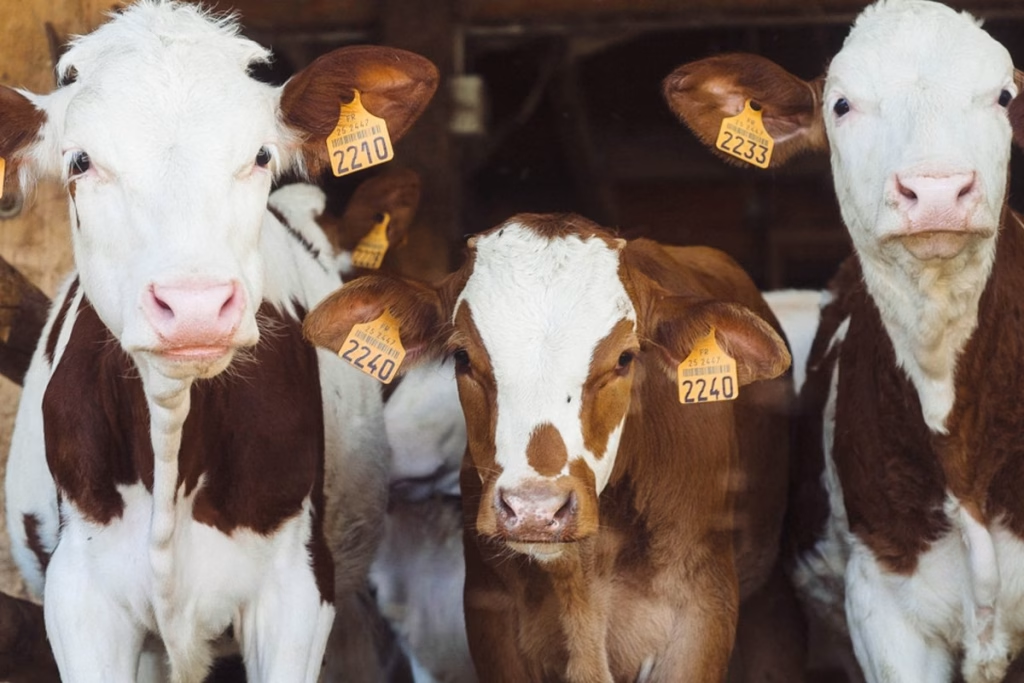
Since I am speaking on behalf of the European Buddhist Union, representing over 4 million Buddhists in Europe, first of all, I want to draw attention to the fact that for Buddhism, the human being is not the centre of the universe. Buddhists do not believe that this world and the humans have been created by some supreme being who also created the animals to be their food, to give their skins and to serve them in many ways. Humans are part of nature, exactly in the same way as all other forms of life on planet Earth. Humans are gifted with a kind of intelligence different from that of animals, but this difference does not imply superiority. It does not give humans the kind of divine right to decide over life and death of other forms of life.
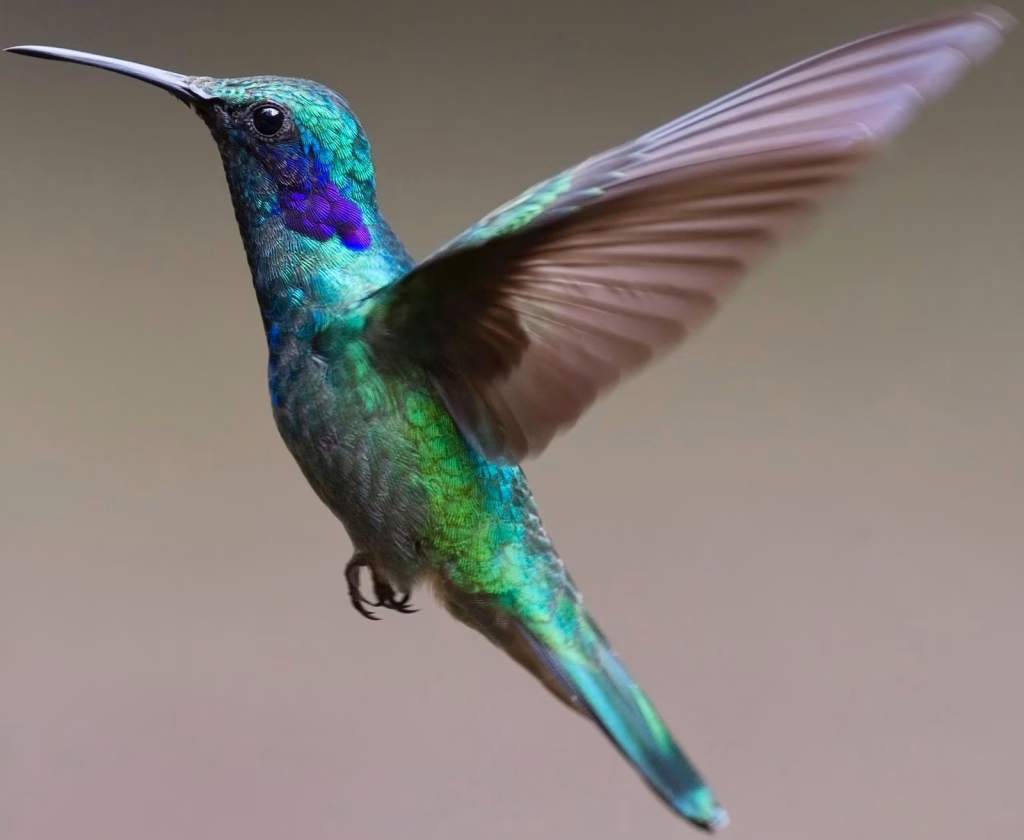
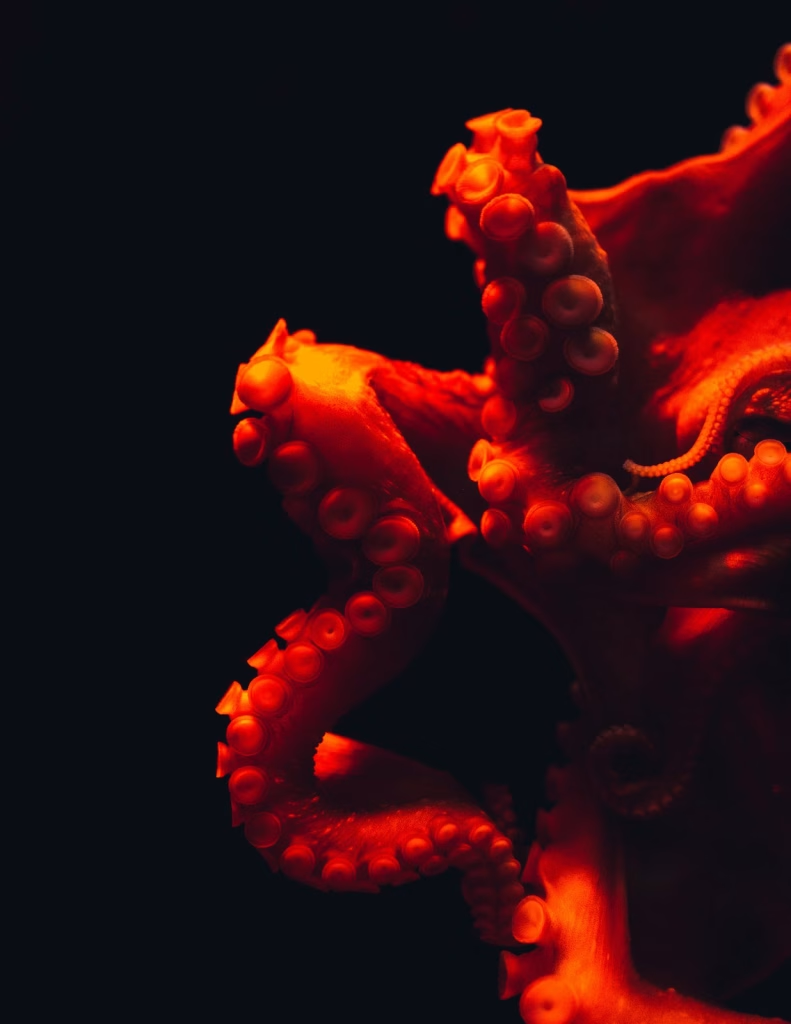
Buddhism is not alone in claiming that animals have a mind, the capacity to think, to experience emotions, intentions and, most importantly, to experience suffering. This is not some kind of religious belief. Scientific research over many years has proven exactly this. The Cambridge declaration on Consciousness, signed by a prominent international group of cognitive neuroscientists, neuropharmacologists, neurophysiologists, neuroanatomists and computational neuroscientists gathered on 7 July 2012 at the University of Cambridge states: “The absence of a neocortex does not appear to preclude an organism from experiencing affective states. Convergent evidence indicates that non-human animals have the neuroanatomical, neurochemical, and neurophysiological substrates of conscious states along with the capacity to exhibit intentional behaviours. Consequently, the weight of evidence indicates that humans are not unique in possessing the neurological substrates that generate consciousness. Non-human animals, including all mammals and birds, and many other creatures, including octopuses, also possess these neurological substrates.”
To feed eight billion humans, we kill every year over sixty billion land animals and one thousand billion sea animals. These are the figures given by the United Nations Food and Agricultural Organization. The FAO also indicates that in 2018 only, 346 billion kilos of meat was consumed.

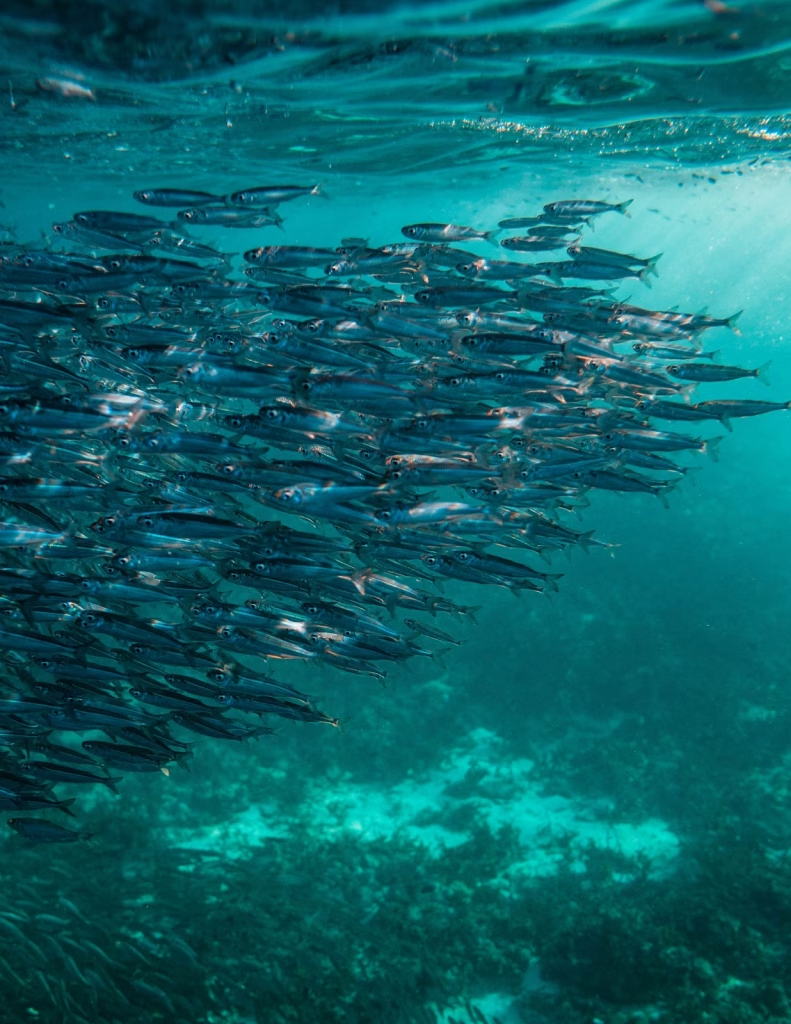
One fifth of the meat produced for consumption is wasted, which means that twelve billion land animals are killed for nothing. Thirty-five percent of sea animals are wasted, which means 350 billion of fish and shellfish are killed for nothing. This is without counting that every year, according to the FAO, seven million tons of fish are caught unnecessarily, as well as large numbers of marine mammals, turtles and birds caught in nets. When we buy 500 grams of shrimps, we have to be aware that 13 kilos of other marine animals have been killed and thrown back into the sea. In the case of tuna fishing, 145 other non-target species are also killed and discarded.
This mass killing, unequalled in human history, poses a major ethical challenge. Humans have always exploited animals, first by hunting them and then by domesticating them. But it was not until the beginning of the 20th century that this exploitation took on a gigantic scale. The countless written testimonies and covertly filmed footage in slaughterhouses are horrifying. However, the result of this cruel slaughtering is nicely wrapped up to be sold in the supermarkets. When it comes on the table nobody seems to have any consideration for or, more surprisingly, any knowledge about the suffering endured by these sentient beings that have become a “product”.
The famous French anthropologist Claude Lévi-Strauss wrote in a predictive manner in 1996: “The day will come when the idea that people in the past raised and slaughtered living beings and complacently displayed their tattered flesh in shop windows, will undoubtedly inspire the same repulsion as the cannibalistic meals of American, Oceanian or African savages did to 17th and 18th century travellers.”
In addition to the scientific proof that animals have a conscience and suffer like human beings, and the ethical considerations that this entails, this overconsumption of meat aggravates hunger in the world, causes ecological imbalances and is bad for our health.
From the point of view of the environment and climate change: Only two and a half percent of the world’s water is freshwater, of which nearly three quarters is contained in glaciers and eternal snow. Forty percent of the world’s population suffers from water scarcity, both in terms of quantity and quality. It is estimated that half of the world’s drinking water consumption is for the production of meat and dairy products. In Europe, more than fifty percent of polluted water comes from intensive animal breeding, including fish farms. In the USA, eighty percent of drinking water is used for animal farming. Producing one kilo of meat requires fifteen thousand litres of water, which is fifty times more than for producing one kilo of wheat. The production of one kilo of beef generates fifty times more greenhouse gas emissions than the production of one kilo of wheat. Livestock farming contributes eighteen percent of greenhouse gas emissions, second only to buildings and ahead of transport.
Animal excrement also generate huge amounts of ammonia that pollute rivers and seashores and cause an invasion of algae that suffocates aquatic life. On average, a bovine animal produces twenty-three thousand kilos of excrement per year. Factory farmed animals produce hundred thirty times more than humans, in other words, forty thousand kilos per second.
Sixty percent of the world’s available land is used for livestock production. One hectare of land can feed fifty vegetarians or two meat eaters. To produce one kilo of meat, you need the same amount of land as for growing two hundred kilos of tomatoes or hundred sixty kilos of potatoes or eighty kilos of apples. One acre of cereals gives five times more proteins than one acre to produce meat. One acre of lentils or beans gives ten times more proteins.
According to the FAO, livestock is responsible for seventy percent of current deforestation.
On average, rich countries consume ten times more meat than poor countries. A French person eats eighty-five kilos of meat per year and an American hundred twenty kilos, compared to only two and a half kilos for an Indian.
It is said that eating meat is necessary to be healthy. Many studies, such as those by Harvard University in 2012, have established that eating meat, especially red meat, increases the risk of colon and stomach cancer, as well as cardiovascular disease. There are over 600 million vegetarians living in good health on this planet, which is more than the population of the EU. As you probably already have guessed, I am one of them.
Buddhism does not prohibit eating meat. Nonetheless, it is said not to eat it when you know that the animal has been killed for your meal. At least, when one is eating meat, one can thank the animal in thought and make wishes so that it may quickly reach enlightenment.
Certain Mahayana sutras, however, unequivocally condemn the consumption of meat. An example is the Lankavatara Sutra, which states: “So as not to become a source of terror, Bodhisattvas established in benevolence should not eat food containing meat. (…) Meat is food for wild beasts; it is unfitting to eat it. (…) People kill animals for profit and exchange goods for the meat. One person kills, another person buys — both are at fault.” Similarly, in the Great Parinirvana Sutra, the Buddha says, “Eating meat destroys great compassion” and advises his disciples to avoid the consumption of meat, “just as they would avoid the flesh of their own children”.
However, since people are not going to stop eating meat, by eating a bit less meat they can improve their health, improve the environment and save many animal lives.
Several EU Member States have already passed laws on animal welfare, for example to protect them against cruelty, for minimum living space, to transport them safely, to recognize them legally as sentient living beings instead of movable goods. It is important that the EU continues to produce legislation in this field so as to improve and harmonize the situation for the better in all Member States.
Europe has been an example to the world in establishing democracy, the rule of law and human rights. The Future of Europe also lies in promoting respect of animal rights.
I thank you for your attention.
Sources
- Jonathan Foer, “Faut-il manger les animaux”, Le Seuil, 2012, p. 66
- Matthieu Ricard, “Plaidoyer pour les animaux”, Allary Editions, 2014, p. 84
- Human Population and Freshwater Resources: U.S. Cases and International Perspective, Yale University, 2002
- G. Borgström, “Harvesting the Earth”, 1973, quoted by Matthieu Ricard, op. cit., p. 75
- J.-M. Jancovici, “L’avenir climatique : Quel temps ferons-nous ?”, Le Seuil, 2005
- Source: Worldwatch Institute and U.S. General Accounting Office, quoted by Matthieu Ricard, op. cit., p. 78
- Frances Moore-Lappé, “Diet for a Small Planet”, Ballantine, 1971, p. 4–11
- Food, Livestock Production, Energy, Climate Change and Health. The Lancet, 2007
- Matthieu Ricard, op. cit., p. 43
About the author
Carlo Luyckx became Buddhist in 1971 in Samye Ling, Scotland, the first Tibetan monastery in the West founded in 1967 by Chogyam Trungpa and Akong Tulku Rinpoche. He has since then been studying and practising in the Karma Kagyu school of Tibetan Buddhism. Having obtained in 1988 university degrees in Political Sciences and International Relations as well as in International Law at the Université Libre de Bruxelles, he became Deputy Director of BIPAR (Bureau International des Producteurs d’Assurances), a position which allowed him to have a concrete experience of the functioning of the European institutions in Brussels. Carlo is president of Belgian Buddhist Union since 2014 and responsible for the negotiations with the federal government and the regional authorities in the process of the official recognition of Buddhism in Belgium. Since 2021, he represents the European Buddhist Union to the European institutions in Brussels.
This article first appeared in EBU Magazine #8 – Take action! (Spring 2022). Download the full issue as PDF or browse all issues.