
By Emilia Raunio
Looking back to the beginning of year 2020 things truly have changed. As a practitioner never before have I contemplated Anicca, impermanence, one of Buddha’s core teachings, so vividly. Some ask when things will come back to how they were, but as we know past is not coming back. For once this crisis has touched us all in one way or another. At the same time global warming, social injustice, human and animal rights and welfare, just to mention few, should take just as big action as this pandemic.
As a Buddhist practitioner I see this year as a great opportunity to look deeper into our minds. What kind of thoughts it wakes up and how we communicate and live with these often difficult and even painful thoughts and feelings. Are we repeating harmful and unskillful patterns, or can we be in the present moment with clear mind and skillful thoughts and action? Lucky enough, many of us have placed greater emphasis on gaining mental clarity and self-help, in order to be ok with oneself and the people around us.
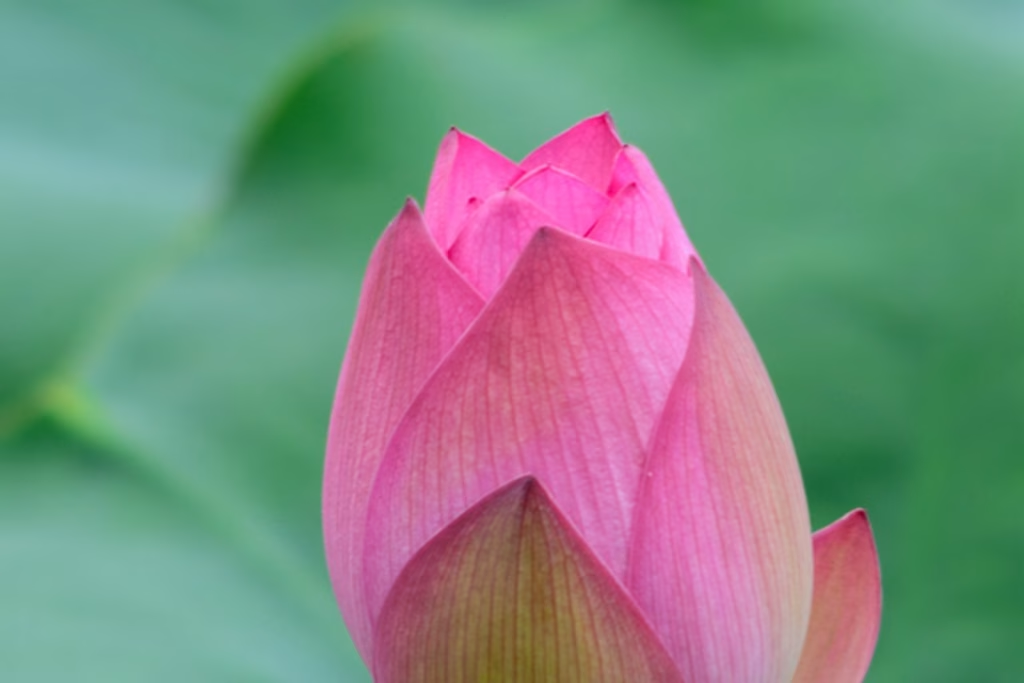
In my living room, I have a calligraphy painting, a beautiful memory from a retreat at Plum Village in France, decorated with the sentence “Sans la boue pas de lotus” (“No mud no lotus”). This year, the words by the Zen Buddhist master, peace activist and founder of the Plum Village Tradition, Thich Nhat Hanh, have opened up to me in a new way: “Most people are afraid of suffering. But suffering is a kind of mud to help the lotus flower of happiness grow. There can be no lotus flower without the mud”.
Nowadays, we truly experience insecurity, both mental and physical pain as well as suffering in many ways. For me, to be truly present and not to chase away or fight, but to take care of the painful feelings, has truly been great way to live in these challenging times. Sitting in silence and contemplating the mud and the lotus has become a beautiful daily practice as well these days. Not the mud nor the lotus are either better or worse, they are inseparable and nurture each other. There is not one without the other. The beauty blooms when we let go of the struggle and accept and let things be as they are. This does not mean apathy, but quite the opposite. When we see clearly, we may change things if we can, but we can also let things be, if we cannot do anything about them. Letting go of the struggle and resting in the moment, as things are. The importance of meditation has truly shown its power.
One thing I started during the first weeks of lock down, was lists of things that boost my mood in difficult times. Physician M. D Susan Biali Haas speaks and writes about stress reduction, burnout prevention, mental health and resilience. In an article Guilt-Free Ways to Boost Your Mood and Brain in Tough Times (Psychology Today, Jun 23, 2020) she has collected a variety of guilt free mood-boosting strategies as follows: • Going outside • Reading a good book • Playing an instrument • Listening to a great podcast or audiobook while walking, doing chores or relaxing • Enjoying your favorite music • Sketching or painting • Making a special meal • Enjoying nature whenever you can find it • Supporting local business by buying something you need from them • Doing a workout that you enjoy, at home or outside.
As the constant stress of the pandemic swirls around us, our brains need positive input, Biali Haas says. By doing pleasurable, healthy things we can treat ourselves to a well-needed boost of positive neurotransmitters. But of course, if you are really struggling, it is recommended that you make use of any counseling support available to you, she adds. So, what would your list look like?

I’m happy to share my list with You and hope You will share your list too.
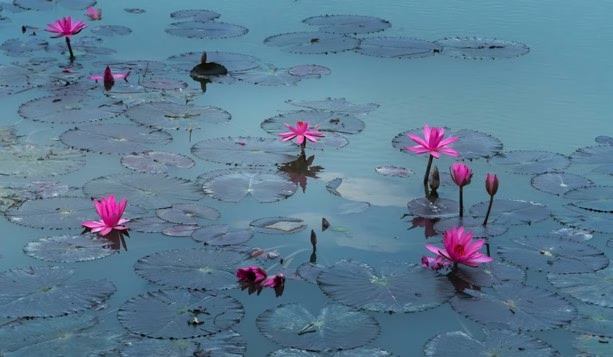
- Go to nature as often as possible
- Start Your day with mindful movement and meditation, perhaps setting an intention for the day
- Enjoy cooking and seasonal food, share recipe and food with others
- Start gardening with friends, grow plants and take care of them home
- Listen to your favorite Podcast (one of my favorite ones is Being well with Dr. Rick Hanson, also attending he’s weekly zoom meditations online)
- Read a good book, sing, dance, write, sketch
- Talk to a friend and take care of friendships
- Do charity work
- Before going to sleep think 3 things you are thankful of
- Support local and small business
- Ask for help and offer your help and presence
- Smile and give your smile to people passing by
- Practice deep listening
- Be supportive and see what you may learn from challenges
- Contemplate impermanence in daily life, leaves falling from tree, seasons changing
- Plan and take time for rest, mindful breathing, meditation and silence.
Last words
All conditioned things are impermanent, strive with diligence, is said to be Lord Buddha’s last words. Breath by breath and step by step we may come back to the present moment, all things are changing and impermanent. Let us strive with diligence here and now. Seeing the changing and passing nature of existence. We are all in this together. Let us strive with diligence.
About the author
Emilia Amalā Raunio is a Helsinki based yoga teacher and freelance writer. She is also a council member of the EBU, vice-chairman of the Finnish Buddhist Union and board member of the Bodhidharma association.
This article first appeared in EBU Magazine #6 – What Can We Learn from This Crisis? (Winter 2020). Download the full issue as PDF or browse all issues.