
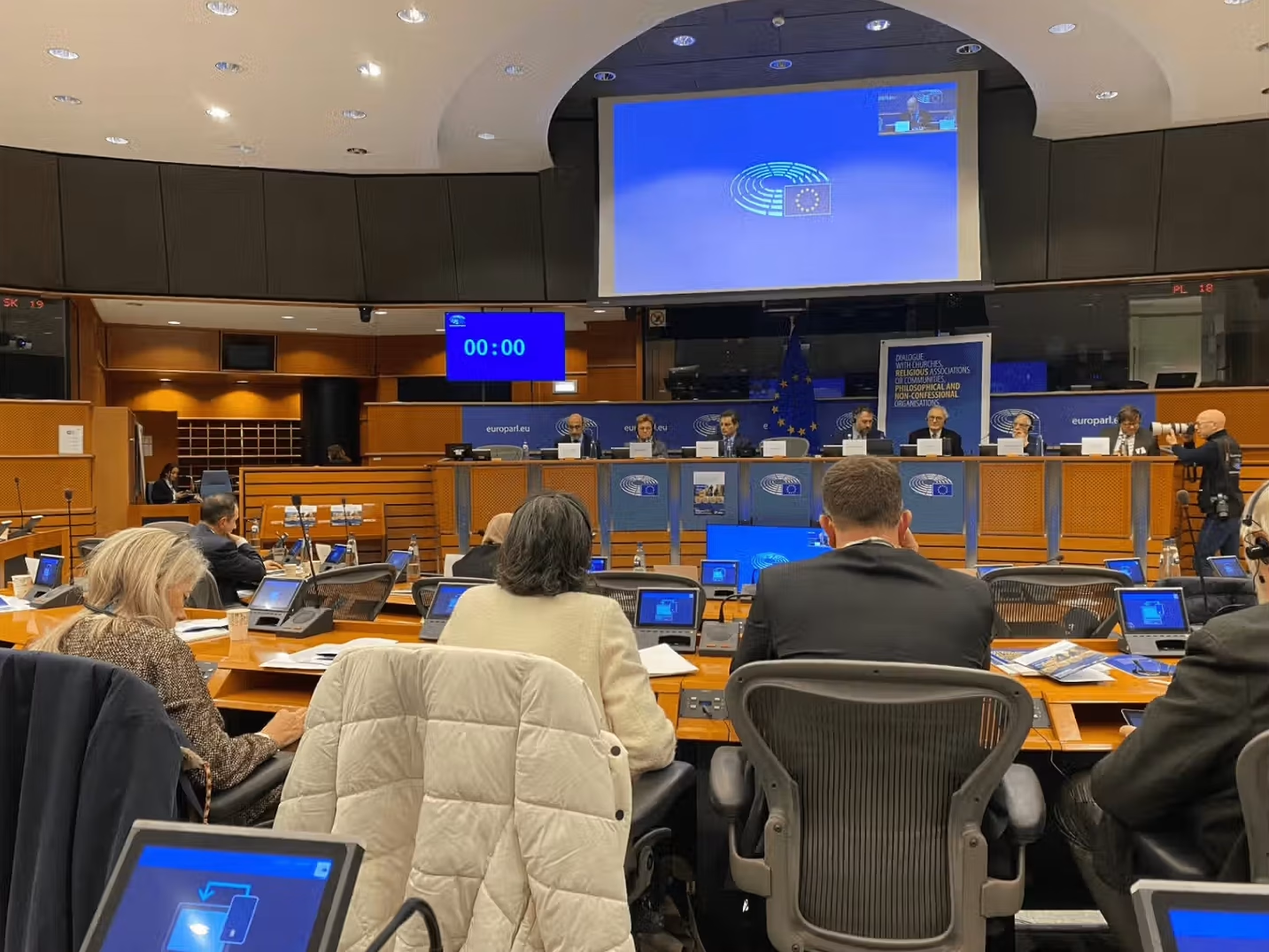
In times of major challenges, dialogue remains key to Europe’s resilience and cohesion.
In a Europe facing epochal challenges – from social polarisation to climate change, from gender-based violence to geopolitical tensions – dialogue between cultures, religions and institutions is confirmed as the key to building fairer, more cohesive and resilient societies. Five international events, held between November and December 2025, focused precisely on these themes, offering insights and perspectives for the continent’s future. These five events, different in topics and protagonists, are united by a common thread: the conviction that only through dialogue – between religions, cultures, institutions and civil society – can we address the challenges of our time. From ethics in public budgets to the fight against gender-based violence, from social cohesion to the diplomacy of hope, Europe presents itself as a laboratory of ideas and practices for a more humane and shared future.
1. Социальная сплоченность и климат: Форум KAICIID в Женеве
С 10 по 13 ноября в отеле Crowne Plaza в Женеве прошел 6-й Европейский диалог по политике (EPDF), организованный KAICIID, МФОККиКС и Европейским советом религиозных лидеров. Форум был посвящен основным проблемам социальной сплоченности во времена изменения климата, подчеркивая необходимость новых форм солидарности и инклюзивности. Обсуждаемые темы включали: межпоколенческую справедливость, роль городов как лабораторий социальных инноваций, борьбу со структурным неравенством и продвижение общих ценностей как основы коллективных ответных мер на кризисы. Форум также предоставил платформу для инновационных идей в области этичного финансирования и регионального сотрудничества с целью сбора конкретных предложений для более устойчивого и инклюзивного европейского общества.
2. Европейская комиссия: Ответ на поляризацию
17 ноября в Брюсселе Европейской комиссией был созван Диалог высокого уровня, посвященный поляризации обществ. Встреча, являющаяся частью диалога, предусмотренного статьей 17, собрала представителей религиозных, философских и неконфессиональных организаций. В центре дискуссии: глубинные причины социальной и политической поляризации, а также стратегии укрепления сплоченности и конструктивного диалога. Это была ценная возможность подтвердить важность межрелигиозного и межкультурного диалога как противоядия от разобщенности.
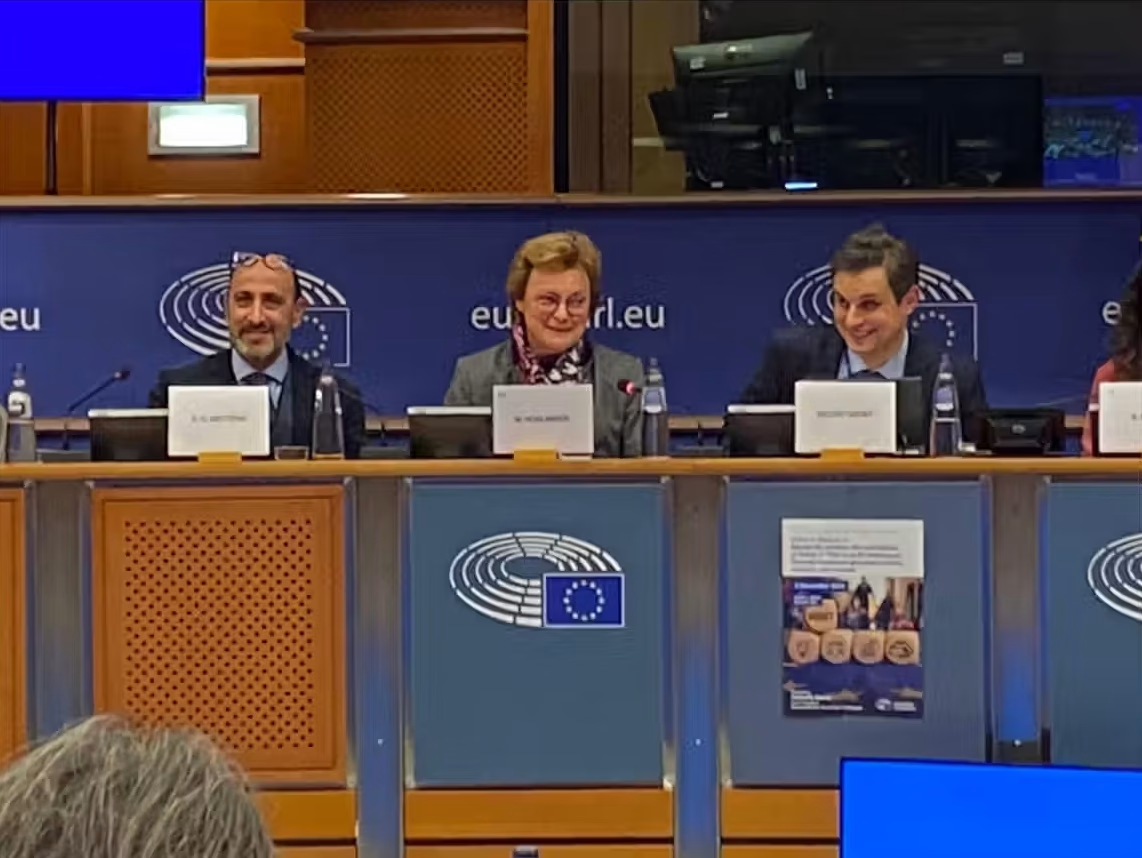
Стефано Беттера (слева) для ЕВУ на встрече с церквями, религиями, философскими и невероисповедными организациями.
3. Европарламент. Цифры — это ещё не всё: этика и солидарность в бюджете ЕС
On 2 December, the European Parliament hosted the seminar “Beyond the numbers: the contribution of Article 17 TFEU to an EU Multiannual Financial Framework grounded in ethics, solidarity and inclusion”. The event explored how the EU’s multiannual budget can be inspired by ethical and inclusive principles, going beyond mere financial dimensions. The role of religious and philosophical organisations in defining fairer and more sustainable policies was discussed, as well as how the EU budget can promote a fairer and more competitive European social model.
4. ОБСЕ. Религиозные деятели объединились против насилия по признаку пола в Варшаве
On 4 and 5 December in Warsaw, the OSCE and ODIHR organised “Belief in CHANGE: Engaging Religious Actors to End VAWG”, an event dedicated to the role of religious actors in the fight against violence towards women and girls. Participants reflected on how religious and social identities can be both obstacles and vehicles for change, sharing good practices and strengthening support networks for victims. Central to the event was the involvement of faith communities in awareness campaigns and concrete prevention actions.
5. КАИЦИД. Дипломатия надежды в Риме
On 18 December, the Augustinianum Congress Centre in Rome hosted the KAICIID Reflective Roundtable “Religion and Diplomacy”, co-organised with the Dicastery for Interreligious Dialogue of the Holy See and the European Muslim Leaders Majlis. The meeting explored the ambivalent role of religion in global crises and the growing importance of interreligious diplomacy. The concept of a “diplomacy of hope”, inspired by Pope Francis, was discussed, inviting religious and political leaders to be agents of reconciliation and justice. Particular attention was given to the contribution of women and young people of faith in conflict resolution and the building of lasting peace.